

Land Development
Engineers
Engineers





Services


Site / Civil Engineering

Traffic & Transportation Engineering

Geotechnical Engineering

Landscape Architecture & Planning

Permitting

Surveying
Projects

Insights & News
Firm Overview
Careers
Contact Us





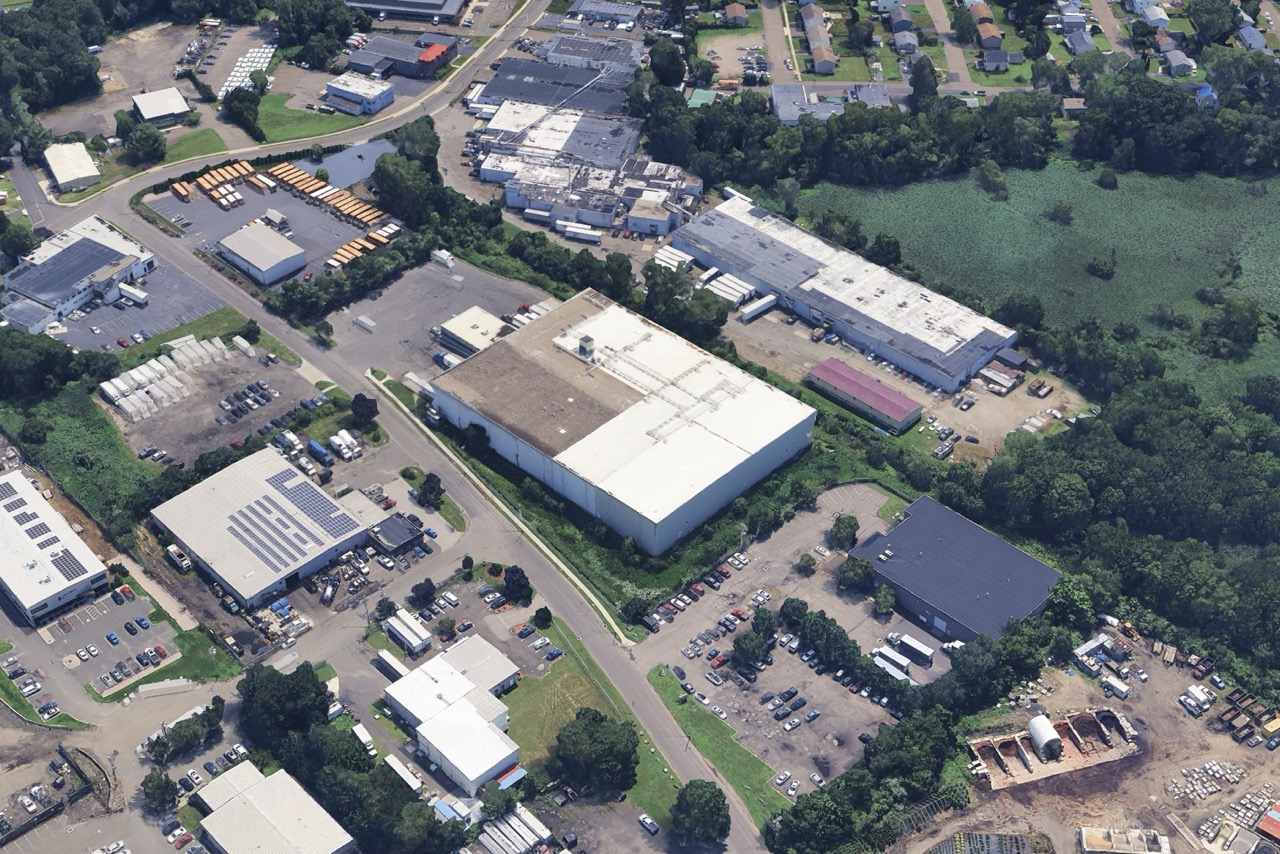
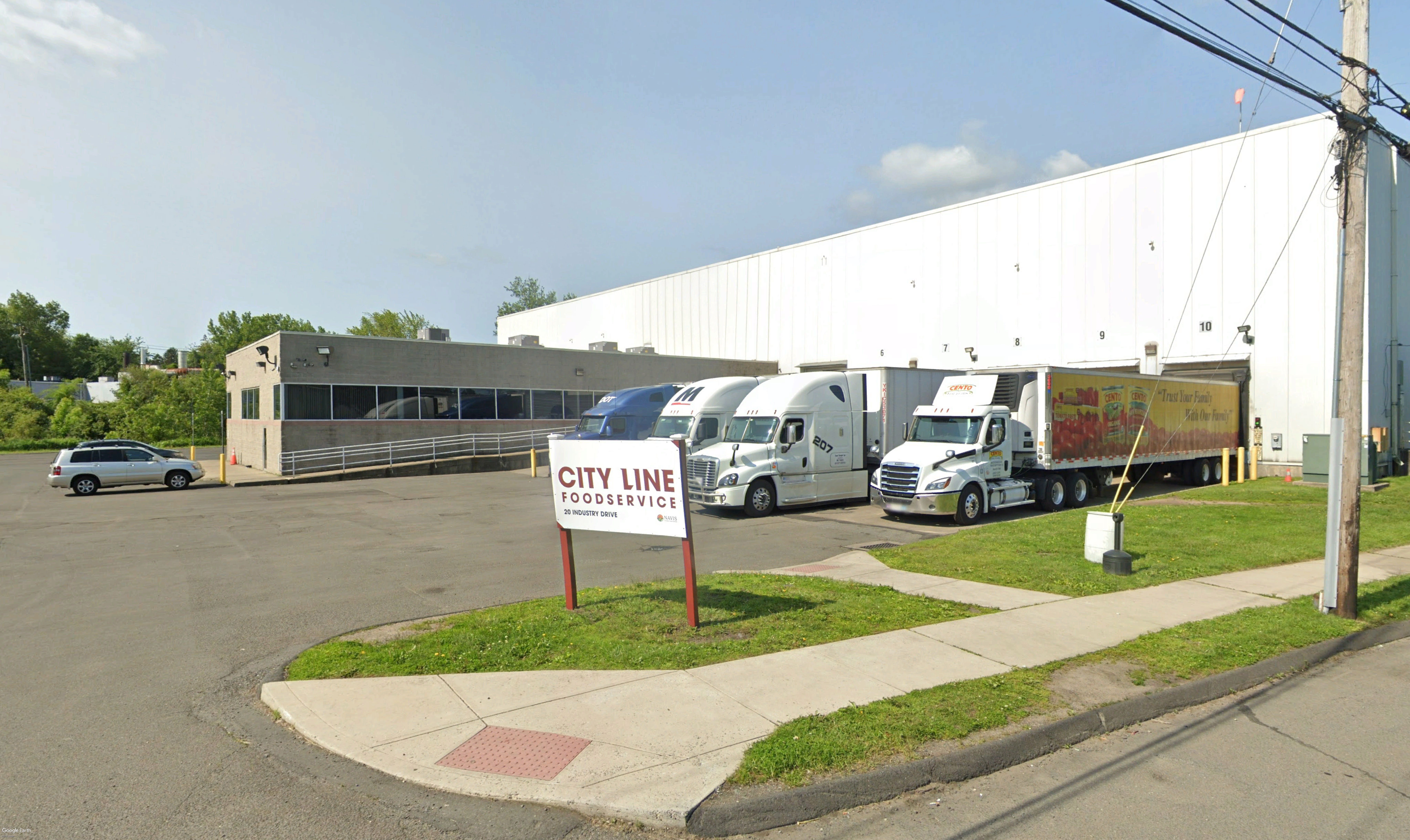
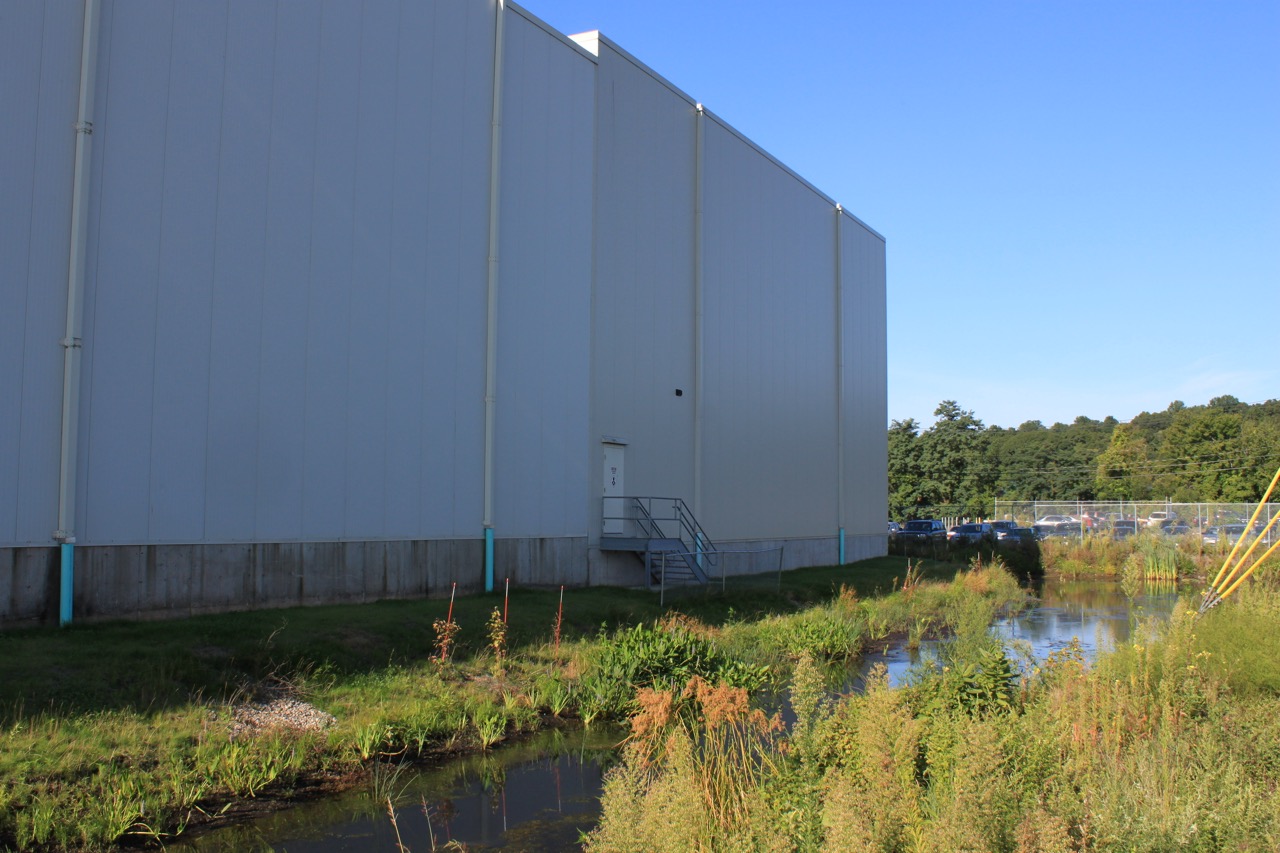
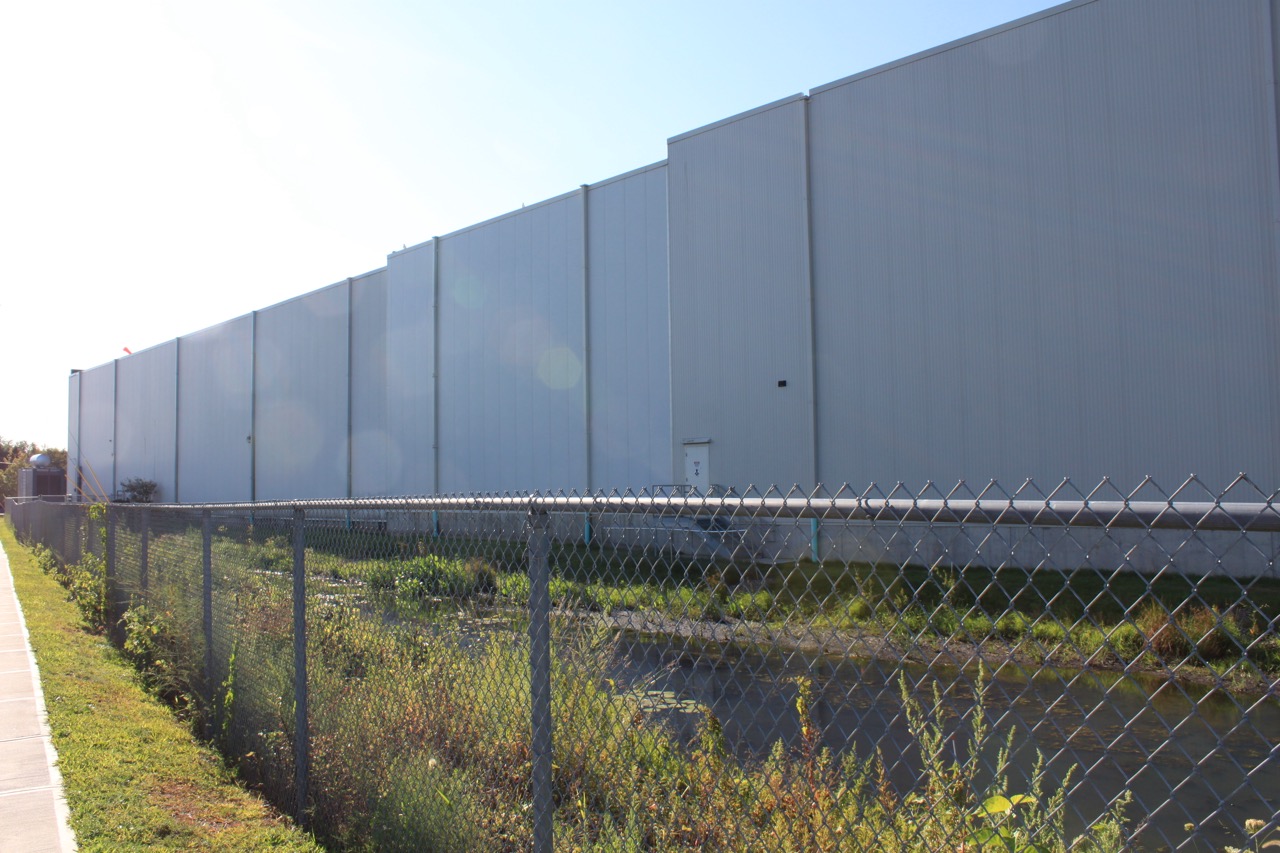
This expansion of City Line’s existing distribution facility increased refrigerated storage capacity and supported significant workforce growth, requiring a comprehensive reconfiguration of the site to accommodate higher operationald emands. Solli designed an approximately 20,000 SF addition to the existing±65,000 SF warehouse, along with coordinated upgrades to circulation patterns,parking, and truck maneuvering areas across multiple interconnected parcels. The resulting layout supports efficient movement of delivery vehicles andemployees while maintaining clear and safe access throughout the site.
A key challenge involved organizing circulation and access across adjacent properties with shared operational needs. This was addressed through a coordinated site design that integrates driveways, truck turning areas, and parking expansions into a unified system, allowing for seamless movement between parcels while maintaining compliance with local requirements.
The project’s location within the 100-year floodplain and proximity to regulated wetlands added significant environmental complexity. Development required the placement of fill within the floodplain, necessitating compensatory flood storage. Solli incorporated a balanced earthwork approach that provides equivalent flood storage volume, while also integrating stormwater features that function as both drainage infrastructure and ecological enhancements. Impacts to an existing stormwater pond were further mitigated through the creation and restoration of over an acre of wetlands, resulting in a measurable net environmental benefit. Overall, the project not only offsets its environmental impacts but improves existing site conditions—enhancing flood resilience, water quality, and habitat value beyond pre-development conditions.
Given the environmental complexity, the project required extensive coordination with regulatory agencies, including the Connecticut Department of Energy and Environmental Protection (CTDEEP) and the U.S. Army Corps of Engineers (USACE).Both agencies reviewed the design, participated in site evaluations, and ultimately concurred with the proposed mitigation strategies and overall project approach.
Civil, traffic, geotech, environmental, landscape, survey, and permitting — when it all needs to work together, we’re the team to call.



.svg)