

Land Development
Engineers
Engineers






Services


Site / Civil Engineering

Traffic & Transportation Engineering

Geotechnical Engineering

Landscape Architecture & Planning

Permitting

Surveying
Projects

Insights & News
Firm Overview
Careers
Contact Us





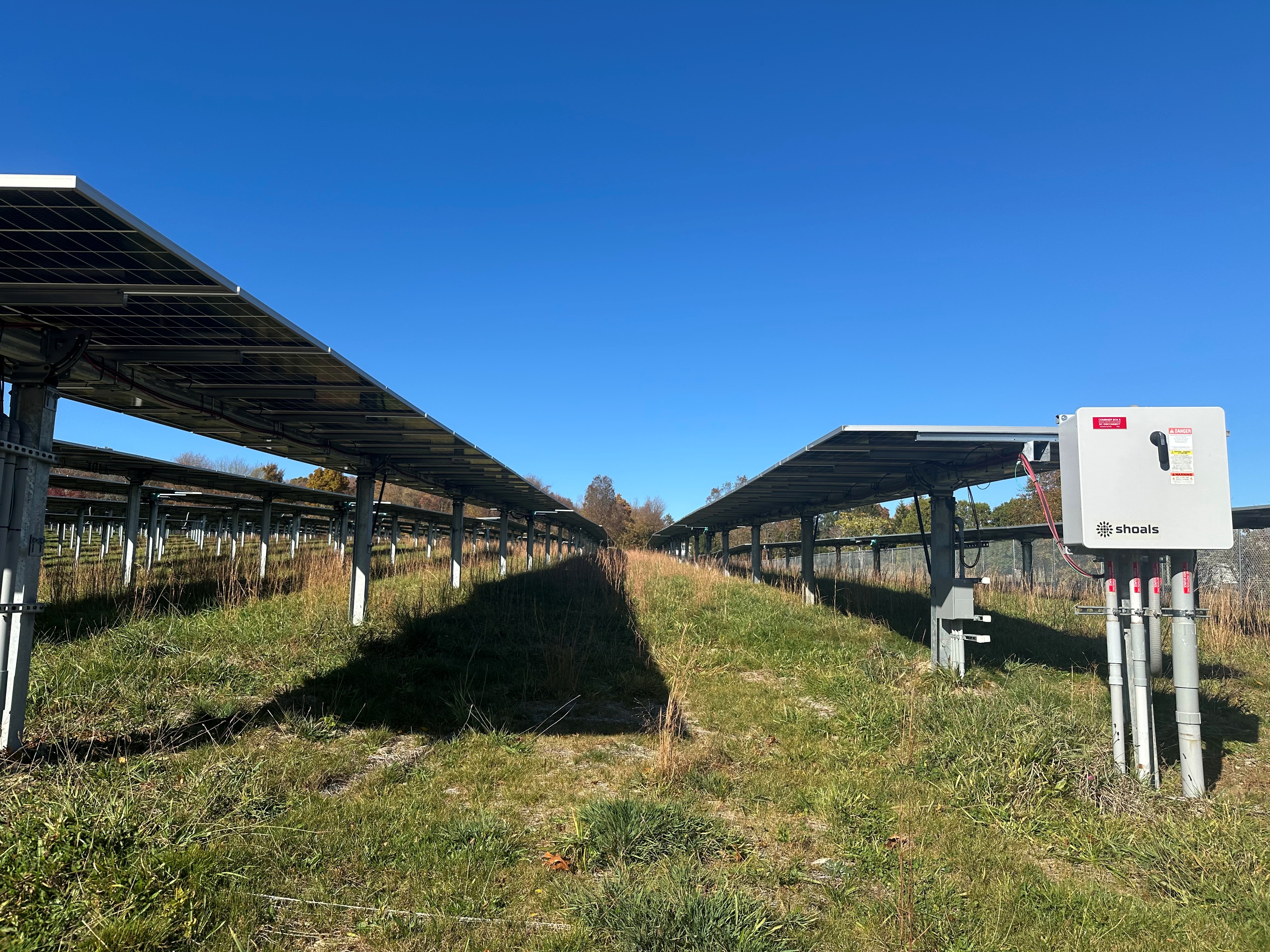
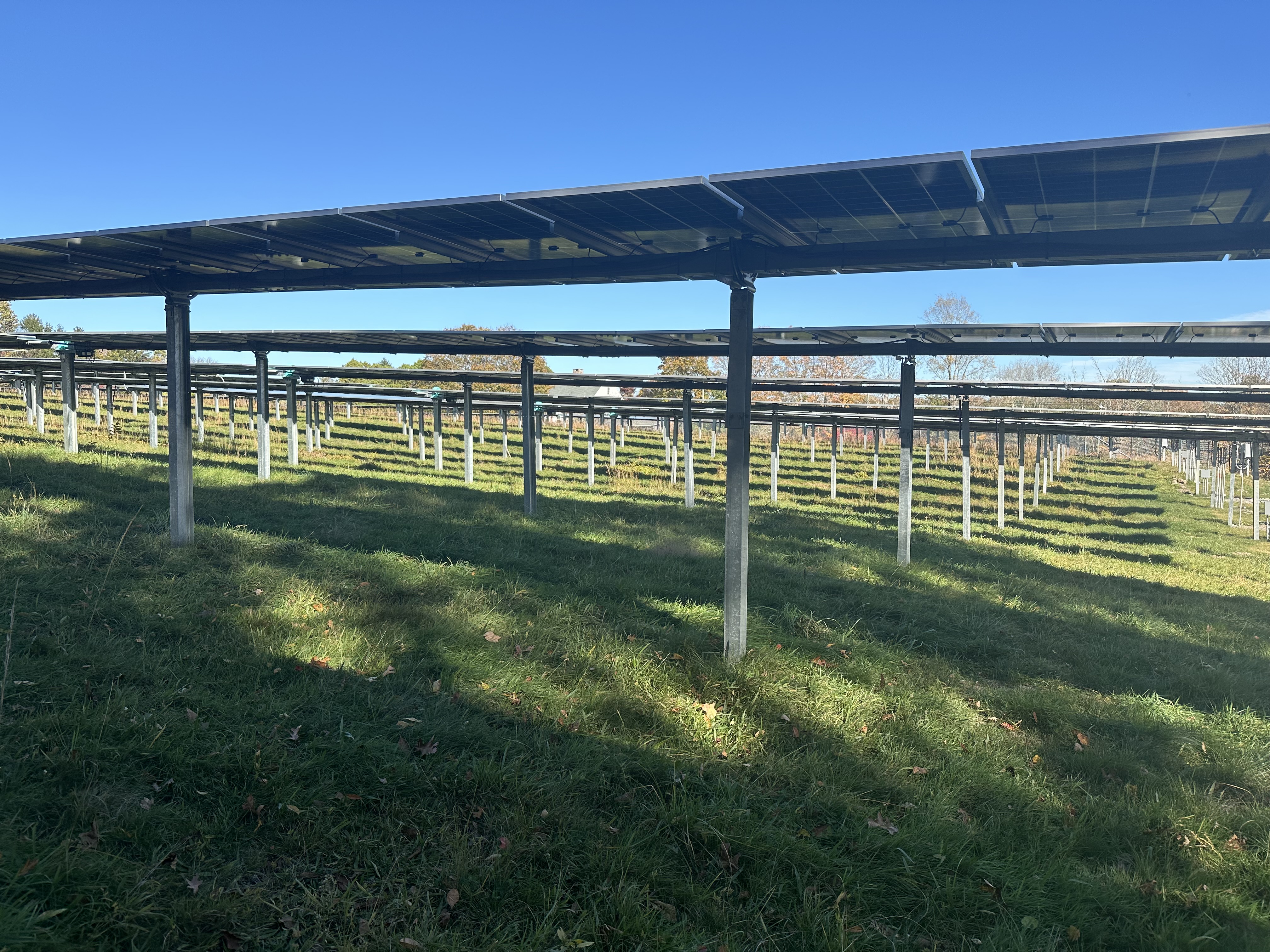
The Montville solar project illustrates how careful engineering can unlock renewable energy potential on an actively used agricultural landscape with challenging topography. Situated on a sloping site with existing hay production and beekeeping, the project required a design that could accommodate elevation changes, avoid sensitive environmental features, and preserve ongoing land use. The Solli team responded with a highly efficient layout that concentrated development within the existing field, minimized tree clearing, and maintained substantial buffers to nearby wetlands. At the same time, the project was intentionally designed as an agrivoltaic system, allowing continued agricultural activities—including hay production and apiary operations—beneath and around the array, turning a potential land-use constraint into a long-term economic and environmental benefit.
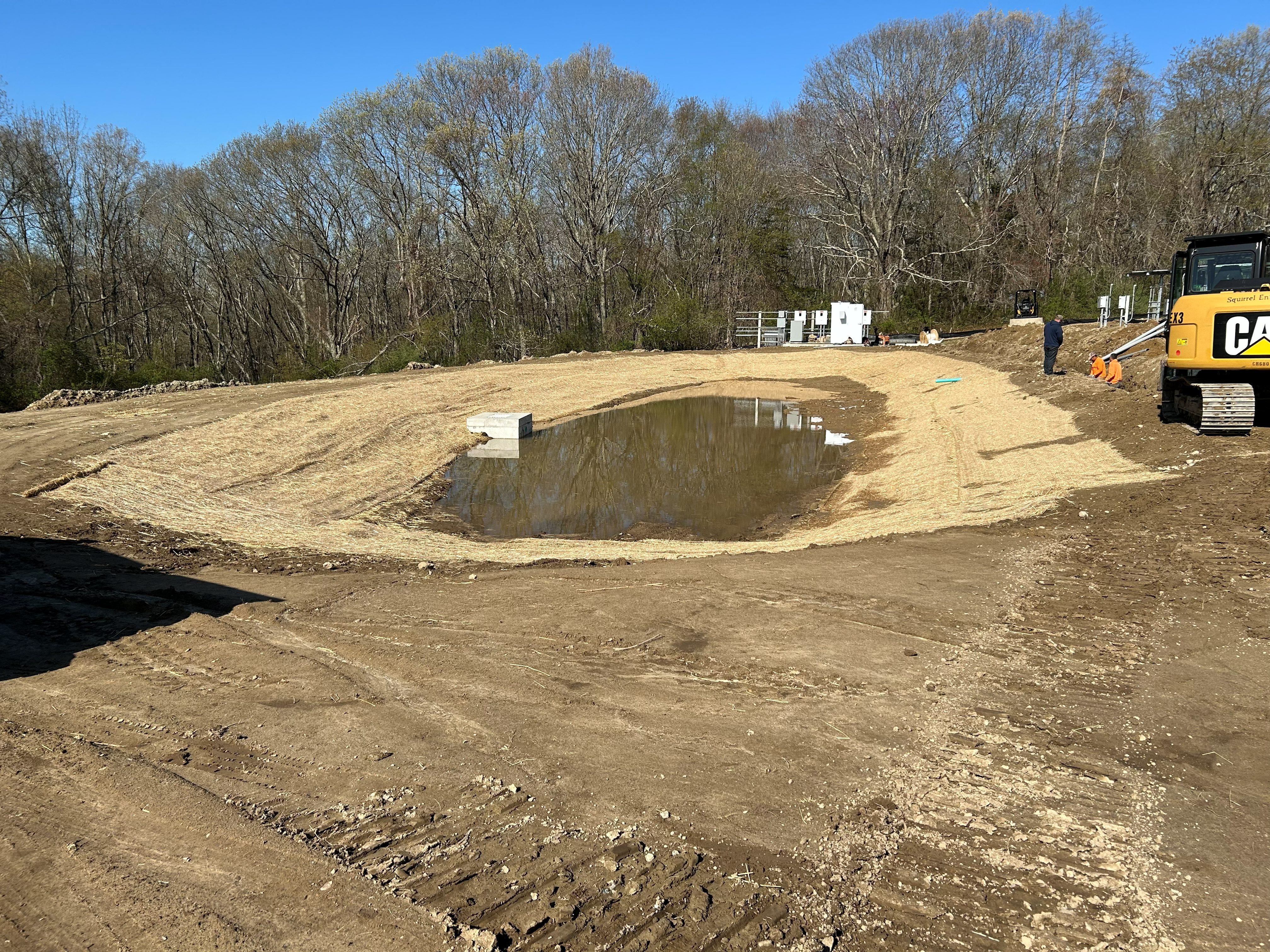
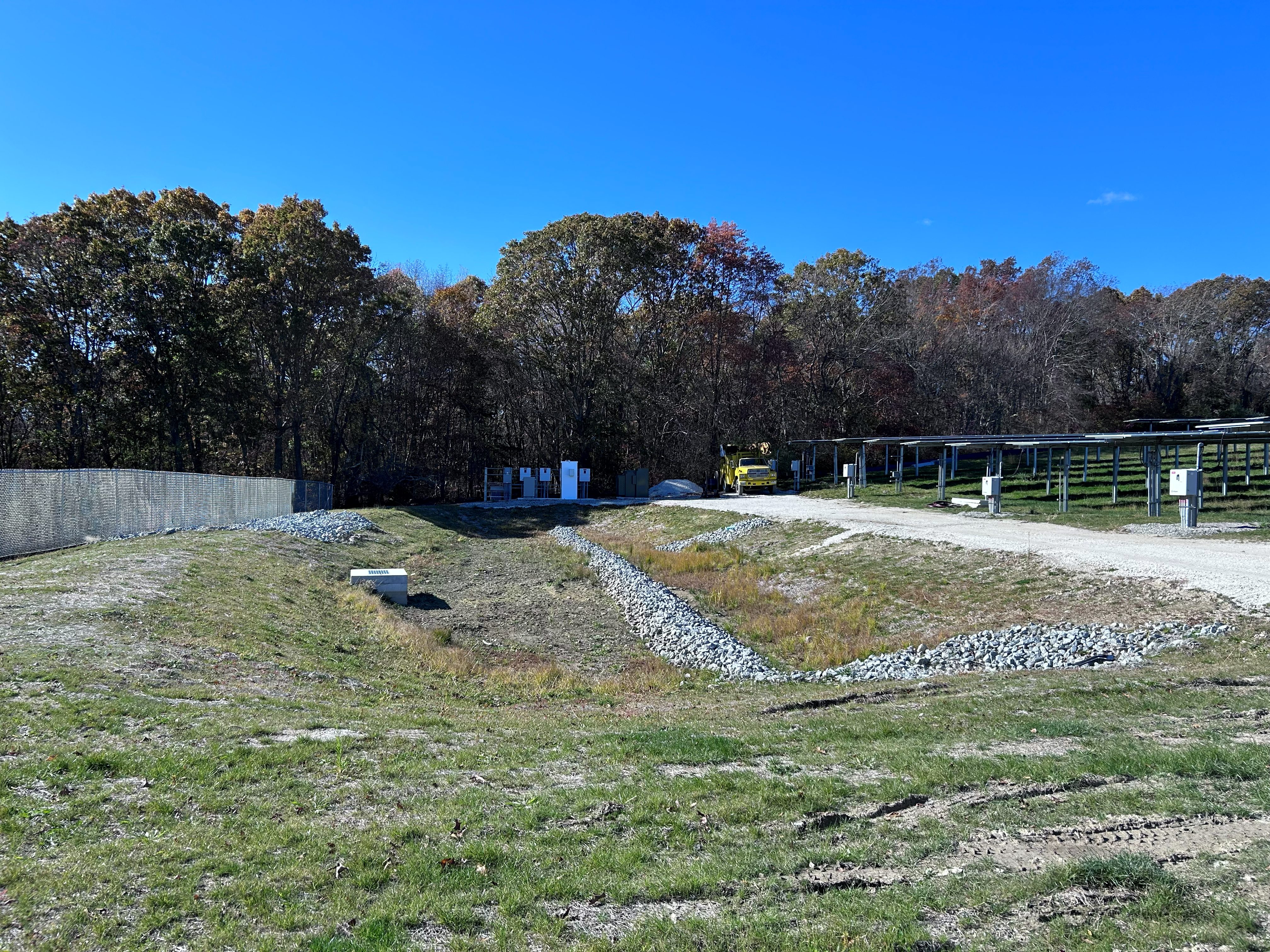
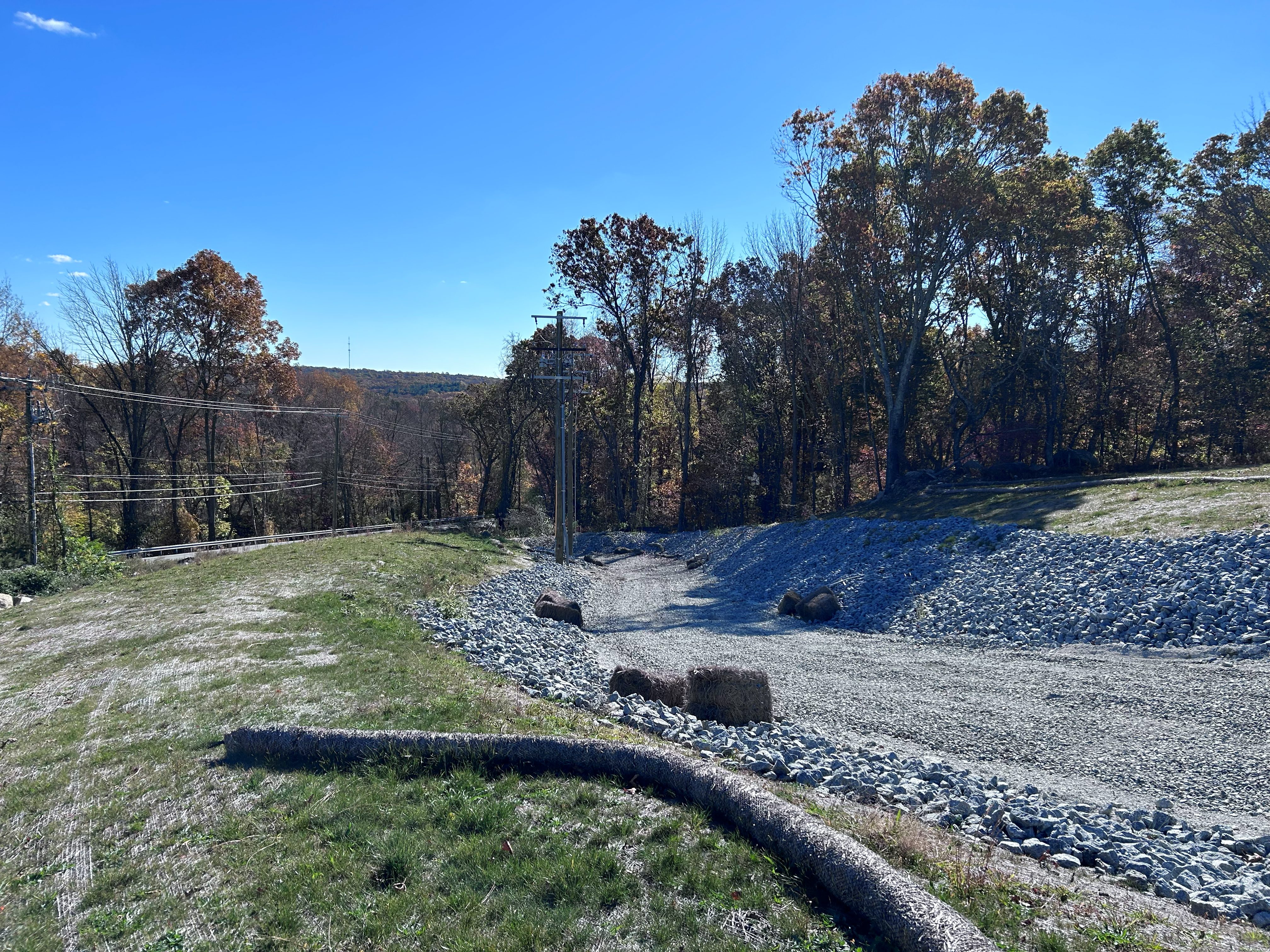
Stormwater and grading constraints were addressed through a balanced and cost-conscious strategy that avoided unnecessary infrastructure. Solli designed the system to preserve natural drainage patterns and reduce post-development runoff below existing conditions, minimizing downstream impacts without excessive structural controls. A single, strategically placed stormwater detention basin was incorporated only where needed to enhance site hydrology, demonstrating a targeted rather than overbuilt approach to stormwater management. In addition, the use of meadow and pollinator plantings stabilized soils, improved infiltration, and reduced long-term maintenance costs—providing both environmental enhancement and operational efficiency.
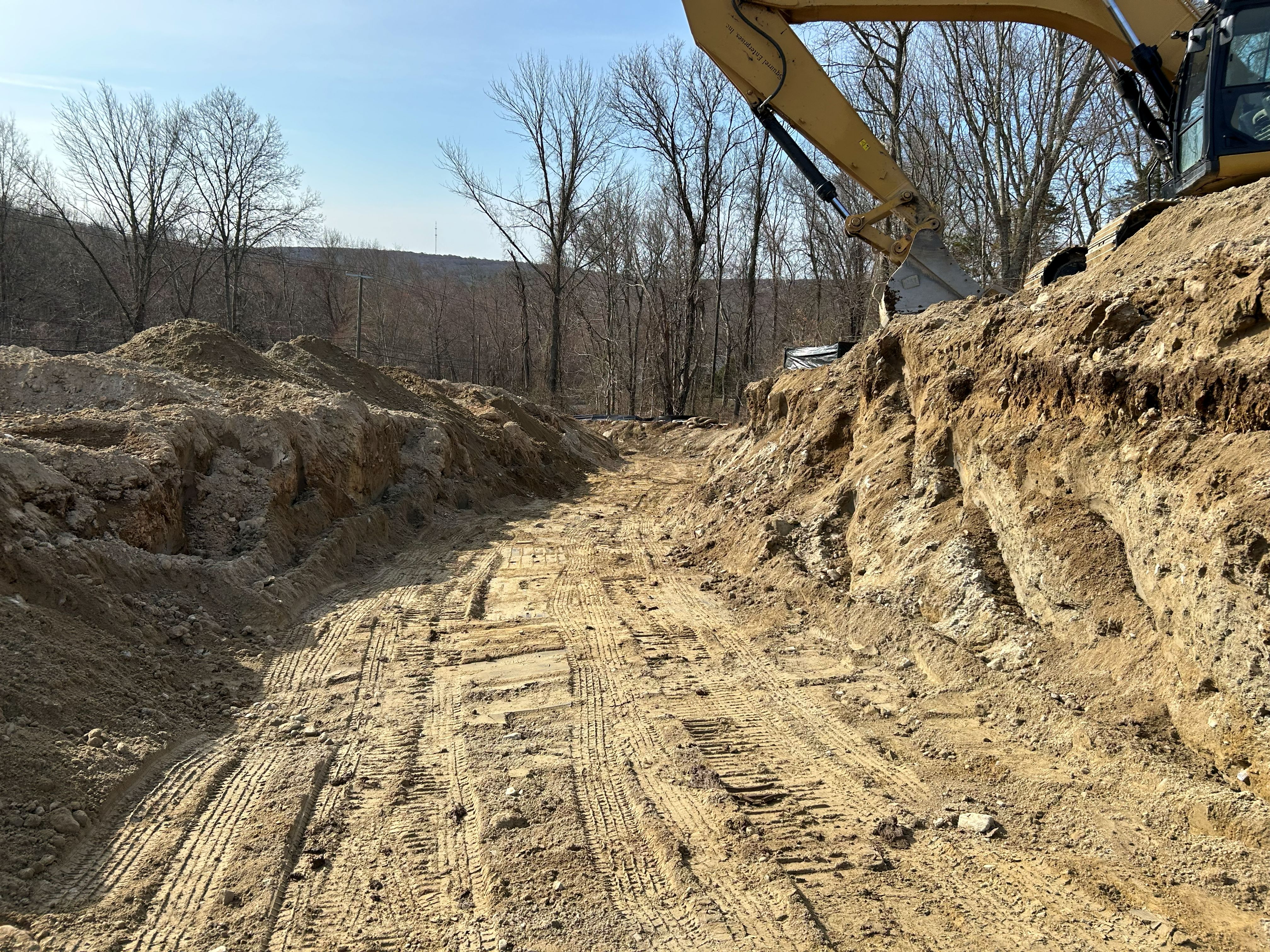
The project further reflects practical, cost-effective engineering decisions in civil engineering design. Favorable subsurface conditions allowed the use of driven-post foundations, eliminating the need for more expensive concrete supports and accelerating construction. Electrical design was similarly optimized through a decentralized inverter configuration and overhead interconnection, avoiding costly off-site system upgrades and minimizing trenching. Community and visual impacts were mitigated through simple but effective measures—including increased spacing of utility poles, strategic setbacks, and evergreen screening—rather than more complex structural solutions. Together, these strategies demonstrate a project engineered for constructability, environmental compatibility, and long-term value, using innovative yet practical solutions to deliver clean energy while maintaining the integrity of a working agricultural landscape.
Civil, traffic, geotech, environmental, landscape, survey, and permitting — when it all needs to work together, we’re the team to call.



.svg)