

Land Development
Engineers
Engineers






Services


Site / Civil Engineering

Traffic & Transportation Engineering

Geotechnical Engineering

Landscape Architecture & Planning

Permitting

Surveying
Projects

Insights & News
Firm Overview
Careers
Contact Us





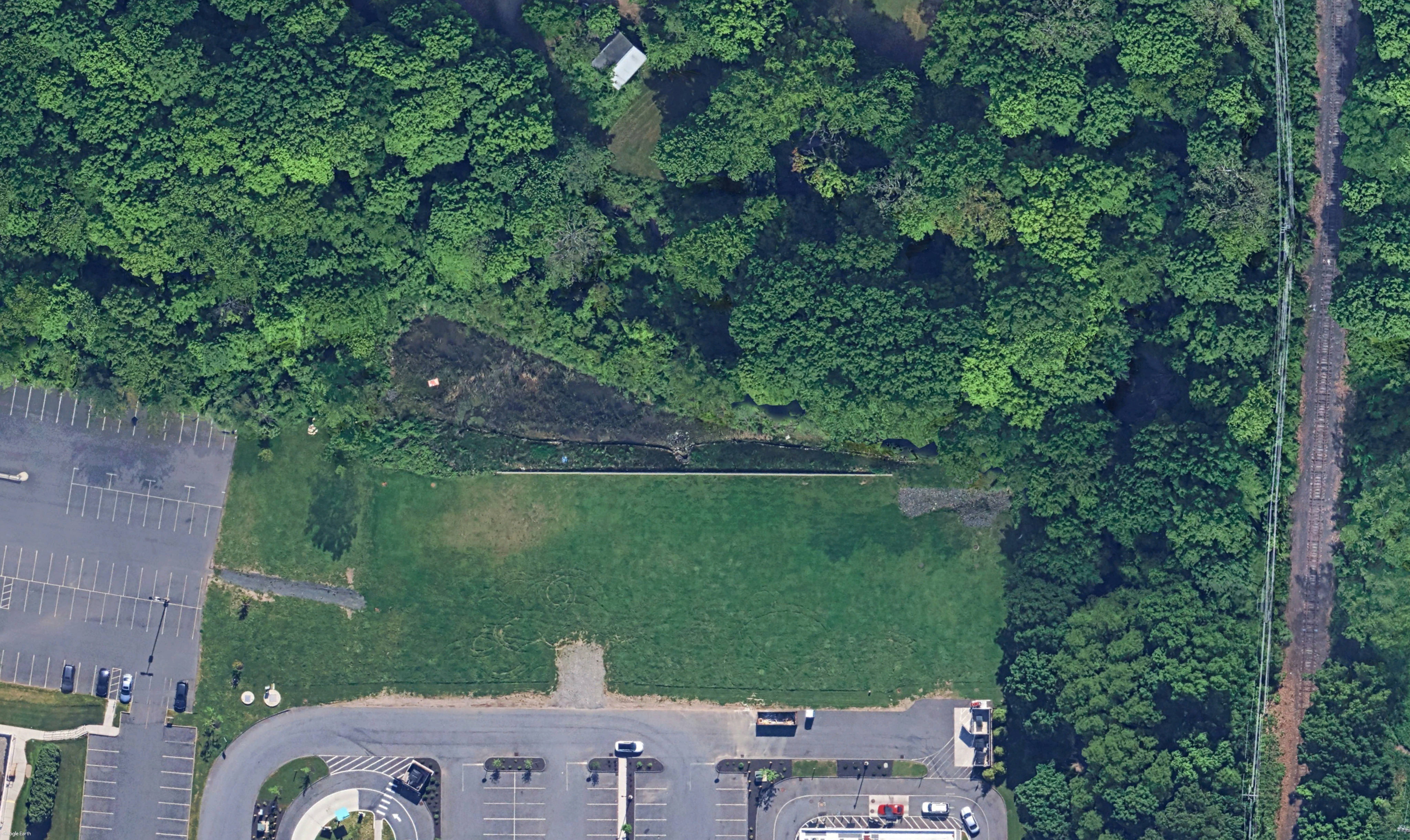
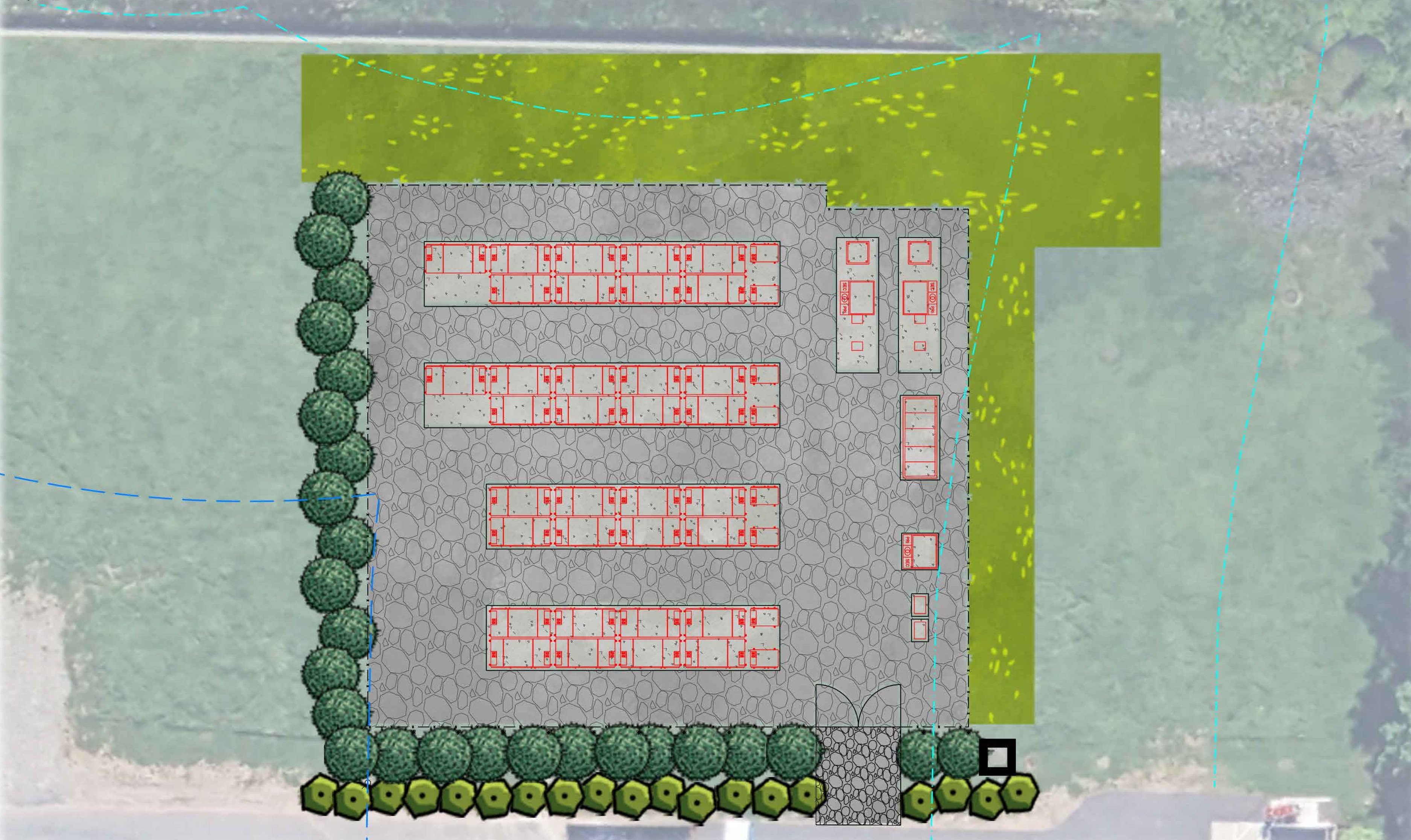
The Holyoke Landing Battery Energy Storage System (BESS) presented a unique set of siting and engineering challenges due to its location within an active commercial retail development. As a 5 MW / 15 MWh utility-scale facility, the project needed to be carefully integrated into a fully built, high-traffic site anchored by national retailers and located near major transportation corridors. This constrained footprint required precise coordination of equipment layout, vehicular circulation, and safety clearances, all while maintaining compatibility with existing commercial operations. The project also underwent multiple site plan review amendments with the City of Holyoke, highlighting the complexity of aligning the design with local zoning requirements, evolving safety standards, and community considerations for large-scale battery installations.
A key factor in overcoming these challenges was the project’s innovative public-private partnership between Convergent Energy + Power and the municipally owned utility, Holyoke Gas & Electric (HG&E), representing the City of Holyoke. This collaboration enabled close coordination between the developer, utility, and local regulators, streamlining approvals and ensuring the system was designed to meet both grid needs and community priorities. From an environmental and engineering standpoint, the team addressed critical concerns such as thermal management, system safety, and grid interconnection within a dense urban setting. These challenges were resolved through a compact, modular system design and the integration of advanced controls which use predictive analytics to optimize charging and discharging cycles, reduce operational strain, and enhance overall system performance.
Ultimately, the Holyoke Landing BESS demonstrates how thoughtful engineering and strong public-private collaboration can unlock clean energy solutions in space-constrained, highly developed environments. By leveraging intelligent system controls, strategic site design, and proactive engagement with municipal stake holders, the project team successfully incorporated a sophisticated energy asset without disrupting existing land uses. The result is a resilient infrastructure investment that stabilizes electricity costs, supports renewable energy integration, and strengthens grid reliability—serving as a model for future urban energy projects.
Civil, traffic, geotech, environmental, landscape, survey, and permitting — when it all needs to work together, we’re the team to call.



.svg)