

Land Development
Engineers
Engineers






Services


Site / Civil Engineering

Traffic & Transportation Engineering

Geotechnical Engineering

Landscape Architecture & Planning

Permitting

Surveying
Projects

Insights & News
Firm Overview
Careers
Contact Us





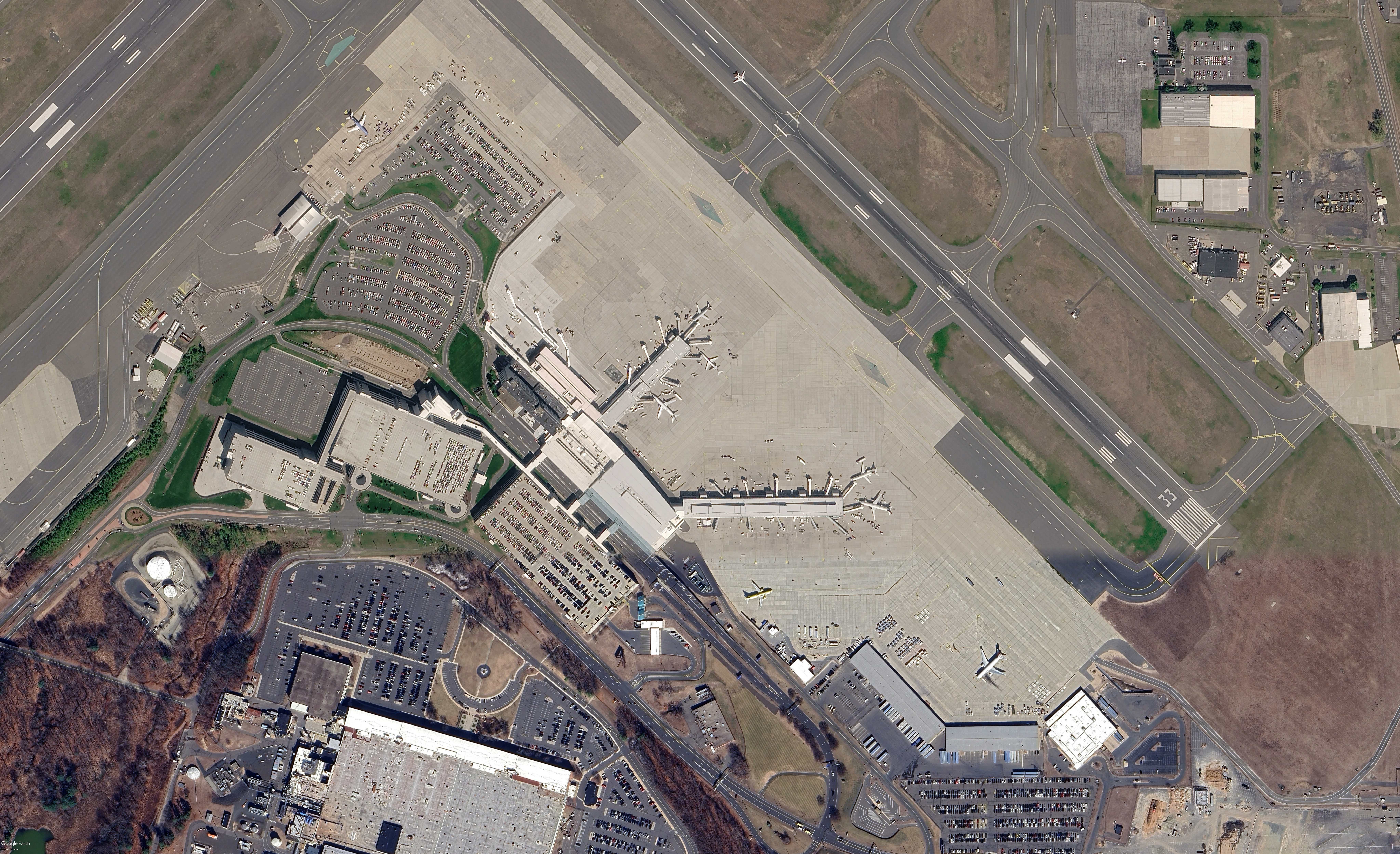
ThisSolar Carport Project is a high-visibility renewable energy installationlocated within the Connecticut Airport Authority’s campus at BradleyInternational Airport. The 3.0 MW AC photovoltaic system is strategically sitedon approximately 8 acres of the existing Employee Parking Lot 5C within the1,300‑acre industrial airport property. By leveraging underutilized pavedareas, the project transforms a large parking field into a dual-purpose energyasset while maintaining full operational functionality for airport staff.Designed as part of Connecticut’s Shared Clean Energy Facility (SCEF) program,the project contributes to statewide clean energy goals while providingeconomic benefits to subscribers, including low- and moderate-income customers.
Adefining feature of the project is its canopy-mounted solar carport system,which installs over approximately 8,000 solar panels on structural steel framesabove active parking spaces. This innovative approach maximizes energygeneration without additional land consumption and provides the added benefitof covered parking and improved site amenities. Solli carefully coordinatedcanopy layout, foundation design, and electrical infrastructure with existingparking operations and airport security requirements. The system interconnectsto nearby electrical infrastructure along Light Lane, requiring minimal utilityexpansion while maintaining reliability and efficiency. Construction was phasedto allow continued use of the parking lot, and lighting systems were integratedbeneath the canopy structures to replace existing fixtures and maintain safeoperating conditions.
Environmentaland site engineering considerations were central to the project’s design.Because the facility is located entirely within a previously developed parkingarea, impacts to natural resources—including wetlands, forested habitat, andfarmland soils—were avoided entirely. Stormwater management leverages theexisting drainage system, with canopy spacing allowing precipitation to passthrough to the pavement below, resulting in negligible change to runoffconditions. Additional environmental coordination addressed potential speciesconcerns, noise, and visual impacts, all of which were determined to be minimaldue to the industrial airport setting and significant distance from residentialreceptors. The result is a thoughtfully engineered project that demonstrateshow large-scale solar infrastructure can be seamlessly integrated into criticaltransportation facilities while minimizing environmental impact and advancingrenewable energy deployment.
Civil, traffic, geotech, environmental, landscape, survey, and permitting — when it all needs to work together, we’re the team to call.



.svg)